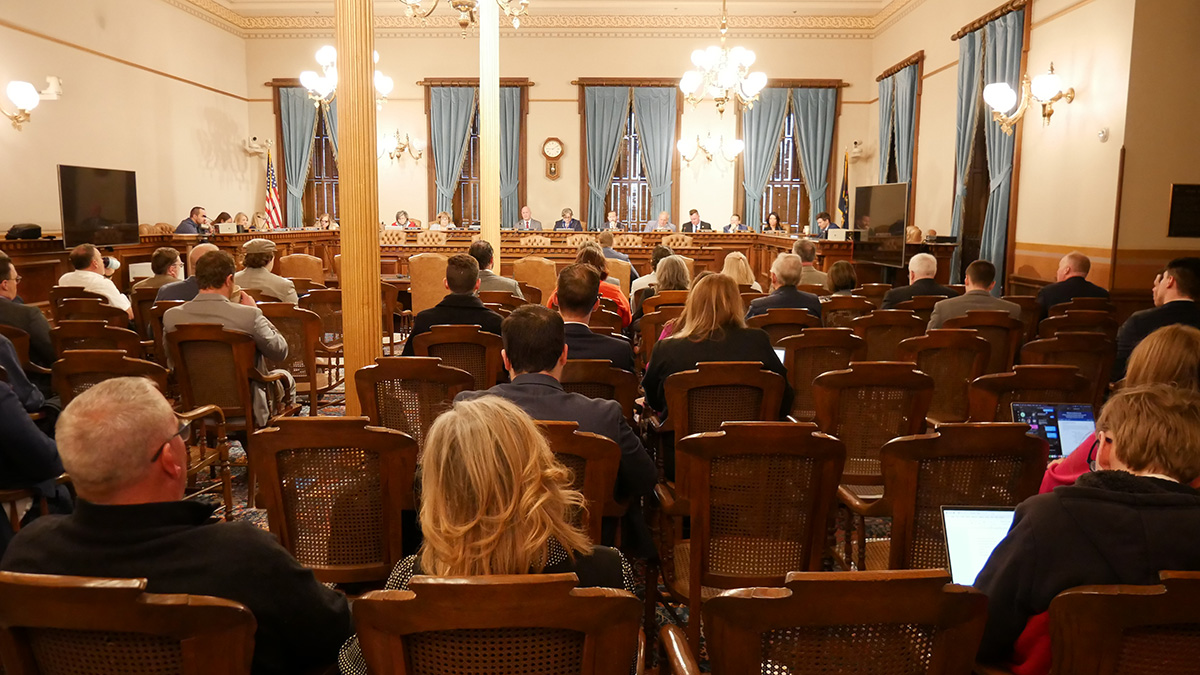

by: John Clore | 3/22/2025 at 8:42 AM
In Michigan's political landscape, the practice of "carpetbagging"—where candidates seek office in districts where they lack substantial ties—has become a contentious issue. This phenomenon raises questions about genuine representation and the authenticity of political candidacies.
Understanding Residency Requirements
The U.S. Constitution mandates that members of the House of Representatives must be at least 25 years old, have been citizens for seven years, and reside in the state they wish to represent. However, there is no requirement for them to live within the specific district they aim to serve. This legal framework allows candidates to run in districts where they may not have established residency, leading to concerns about their connection to local constituents.
Thanks to an anonymous tipster for flagging this.
— Craig Mauger (@CraigDMauger) August 16, 2022
State Rep. Graham Filler often films and posts virtual "office hours" in a home.
Notice the cabinet and wine rack.
This is not the home in his new district. pic.twitter.com/X4jnMMf5wX
Notable Instances in Michigan
Several Michigan politicians have faced scrutiny over their residency status:
Elissa Slotkin: Before her 2018 congressional run, Slotkin's first vote in Michigan was for herself, highlighting her recent return to the state. Despite her national security background, critics labeled her a carpetbagger due to her limited voting history in Michigan.
Mike Rogers: A former congressman and U.S. Senate candidate, Rogers registered to vote at a Michigan property still under construction, leading to questions about his actual residency. He attributed the situation to construction delays, emphasizing his intention to reside there upon completion. Michigan House Republicans
Haley Stevens: In 2017, Stevens moved back to Michigan to run for the 11th congressional district. While she claimed residency within the district, investigations suggested she resided in the neighboring 10th district during her campaign, raising authenticity concerns.
Graham Filler: After redistricting, State Representative Filler changed his primary residence from a home he owns in Watertown Township to a rental property in Duplain Township. Observations indicated the new residence appeared unoccupied at the time, raising questions about the authenticity of his move.
Jason Woolford: In 2024, Woolford defeated incumbent Bob Bezotte in the Republican primary for Michigan's 50th House District. While Woolford's residency status has not been widely contested, his rapid political ascent has drawn attention.
Implications of Carpetbagging
Candidates running in districts where they lack deep-rooted connections can face skepticism from voters who question their understanding of local issues. This skepticism can impact voter trust and the perceived legitimacy of the candidate's commitment to the community.
Legal and Ethical Considerations
While legally permissible, the practice of running in non-resident districts touches on ethical considerations regarding genuine representation. Voters often expect their representatives to have a vested interest in the community's well-being, which is typically fostered through long-term residency and involvement.
Conclusion
The practice of carpetbagging in Michigan politics underscores the tension between legal eligibility and perceived authenticity. As voters become more attuned to the backgrounds of their candidates, the importance of genuine local representation continues to be a pivotal factor in electoral success.