
by: John Clore | 3/14/2025 at 6:36 AM
Investigating Michigan's Green Energy Initiatives and Their Connections to Chinese Entities
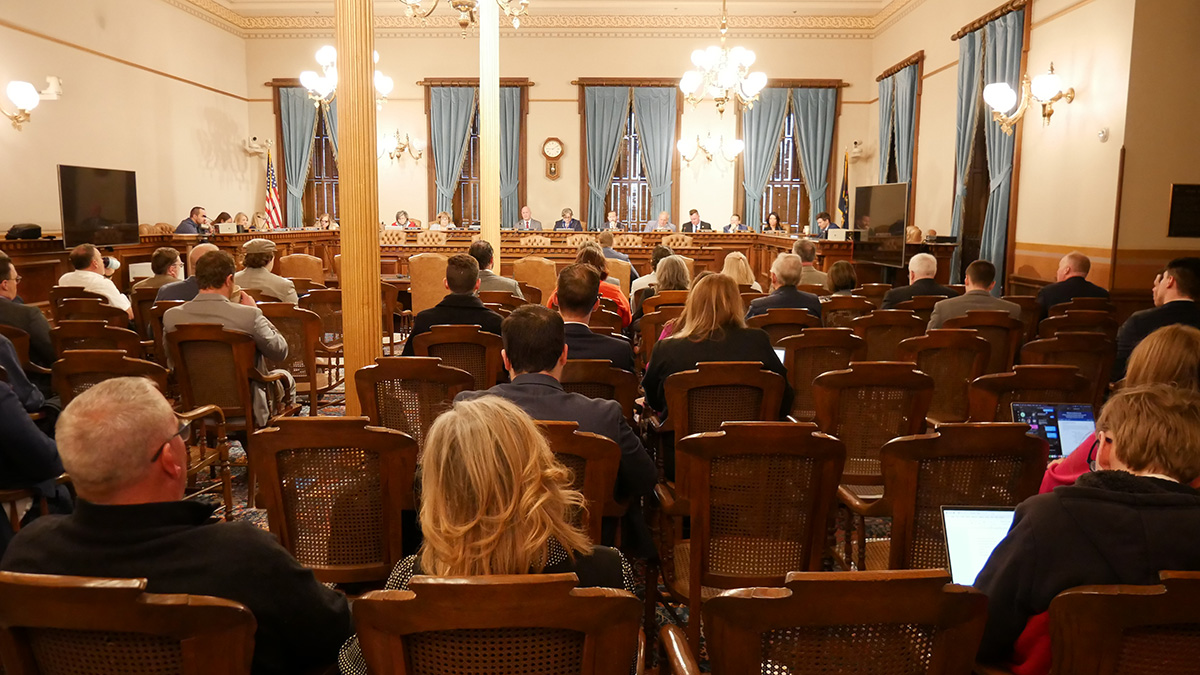
Michigan's ambitious green energy projects have recently come under scrutiny due to potential ties with foreign entities, particularly those linked to the Chinese Communist Party (CCP). This investigation delves into the extent of these connections, the key players involved, and the implications for the state's energy future.
Federal Funding Withdrawal Impacts Major Projects
In February 2025, the federal government rescinded or froze nearly $21 billion in funds previously allocated for Michigan's clean energy initiatives. This decision affected a range of projects, including:
Utility Upgrades: Approximately $20 billion earmarked for major utilities such as DTE Energy and Consumers Energy to enhance renewable energy infrastructure and grid resilience.
EV Battery Manufacturing: A $500 million investment intended to bolster electric vehicle (EV) battery production in the state.
The freeze on these funds has raised concerns about the future of Michigan's green energy transition.
Foreign Ties in EV Battery Manufacturing
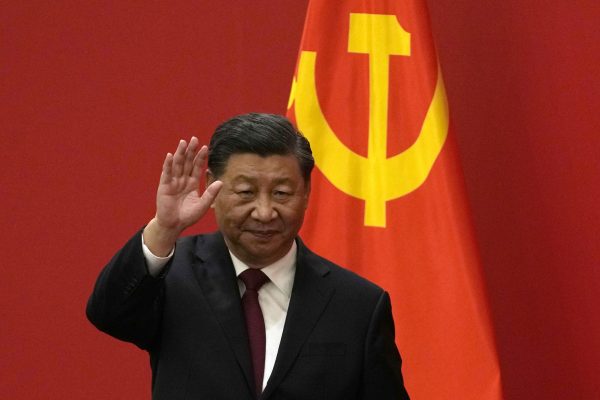
The $500 million designated for EV battery manufacturing has attracted particular attention due to its connections with Chinese companies. Notably:
Gotion Inc.: This Chinese battery manufacturer plans to construct a $2.4 billion EV battery materials plant in Green Charter Township, Michigan. The project has faced opposition from local officials and residents over concerns about the company's alleged ties to the CCP. Despite these objections, Gotion's leadership maintains that the project will proceed as planned. reuters.com
CATL (Contemporary Amperex Technology Co. Limited): As the world's largest EV battery producer, CATL has been expanding its global footprint. In January 2025, the U.S. Department of Defense added CATL to its list of "Chinese military companies," citing potential collaborations with the Chinese military—a claim the company disputes. CATL's involvement in global EV battery supply chains underscores the complexities of foreign investments in U.S. green energy projects. en.wikipedia.org
Political and Security Implications
The intertwining of Michigan's green energy projects with Chinese companies has sparked debates about national security and economic sovereignty:
Political Scrutiny:
Vice President J.D. Vance has raised concerns about U.S. taxpayer money funding EV projects connected to China, arguing that the government should focus on creating jobs in America rather than relying on foreign companies for critical industries. He believes that reducing dependence on Chinese supply chains is essential for protecting American workers and strengthening national security. detroitnews.com
Media Coverage: Despite the significance of these developments, mainstream media in Michigan has provided limited coverage, raising concerns about transparency and public awareness regarding the state's energy partnerships.
Get Your DOGE Gear!
CLICK HERE
../assets/2025/03/2.mp4
Get Your DOGE Gear!
CLICK HERE
Conclusion
As Michigan endeavors to position itself at the forefront of the green energy revolution, the state's collaborations with foreign entities, particularly those with alleged CCP ties, warrant thorough examination. Ensuring that these initiatives align with national security interests and economic priorities is crucial for the sustainable advancement of Michigan's energy landscape.